
The 5 Most Used Metrics in Organizations and Effective Measurement Methods
In the modern business world, data-driven decision-making offers great advantages in terms of both speed and accuracy. However, for this data to be truly useful, it is necessary to track the right metrics and use effective measurement methods.
At this point SnapMetrics – Real Time AnalyticsJira comes into play with real-time performance monitoring and advanced reporting capabilities on Jira.
In this article, we look at the 5 metrics that organizations use most and the most effective ways to measure them.

1. Time in Status
Why is it important?
Measuring how long a task remains in a particular status is critical for identifying bottlenecks. For example, tasks that remain in the “In Progress” stage for a long time indicate that there may be a disruption in the process.
SnapMetrics – measurement method with Real Time Analytics:
- Select the relevant statuses.
- Filter for all users or for specific individuals/groups.
- Optionally add custom calendar to account for working hours and holidays.
2. Cycle Time
Why is it important?
You can track your delivery speed by measuring the time it takes to complete a task from start to finish. This metric is one of the most commonly used indicators in process improvement efforts.
SnapMetrics – measurement method with Real Time Analytics:
- Define start and end events (e.g. “In Progress” input → “Done” output).
- Specify the time period (first realization, last realization).
- Analyze by project, team or issue type with advanced filters.
3. Throughput (Amount of Work Completed)
Why is it important?
Indicates the number of tasks completed in a given time interval. It plays a critical role in team capacity planning and sprint evaluations.
SnapMetrics – measurement method with Real Time Analytics:
- Monitor output volume using KPI Report or Time by Status reports.
- Filter time periods by day, week, month or sprint.
- Conduct trend analysis by comparing with previous periods.
4. Workload by Assignee
Why is it important?
Balancing the workload of team members is critical for both productivity and employee satisfaction.
SnapMetrics – measurement method with Real Time Analytics:
- Open the Time by Assignees report.
- See total workload and time distribution per user.
- Identify overloaded people and rebalance tasks.
5. Time Between Events
Why is it important?
It reveals delays between steps in business processes. For example, measuring the time between “Customer Approval” and “Development Start” provides opportunities for improvement to speed up the process.
SnapMetrics – Real Time Analytics with the measurement method:
- Specify the start and end events (status entry/exit, field change, add comment, etc.).
- Add work calendars based only on working hours.
Focus only on relevant projects or task types with filters.
Why SnapMetrics – Real Time Analytics?
- Instant Tracking: Data is updated instantly, you can make decisions without waiting.
- Flexible Filtering: You can analyze the scope you want with JQL or basic search.
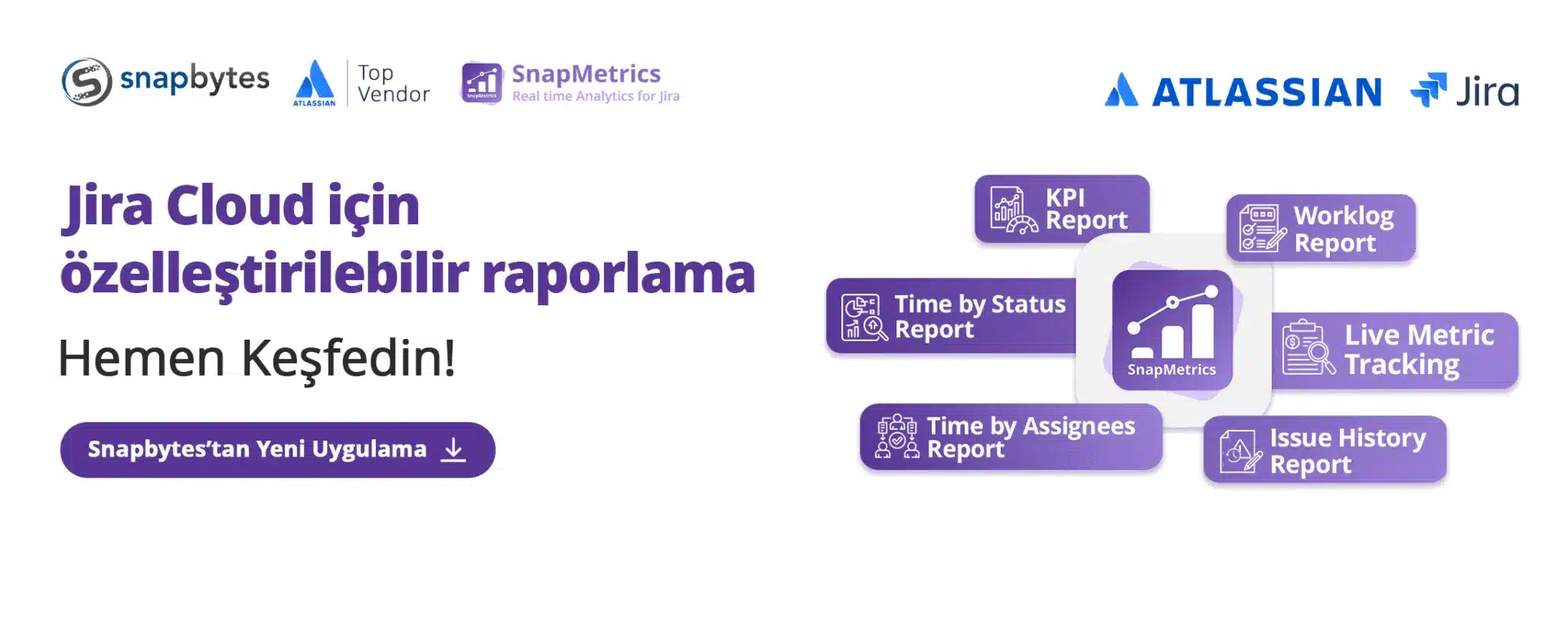
- Advanced Reporting: Different report types such as KPI, Time by Status, Time by Assignees, Issue History, Worklog.
- Historical Data Access: Both historical and current data on the same screen.
- Customized Calendars: Realistic measurements taking into account holidays and working hours.
- Easy Sharing: Export all reports to Excel or PDF with a single click.
Measuring the right metrics in the right way not only increases process efficiency, but also team motivation and project success. SnapMetrics – Real Time Analyticsdelivers the speed, flexibility and accuracy Jira users need to achieve this goal, all on a single platform.

